 +1 (888) 772-2586
 Directions
Blog
How Does Alcohol Use Interact With Anger?

This impact can begin to take place after just one drink, depending on the person and other factors, he adds (2). “It can be difficult to be aware of the impact of your emotions due to alcohol’s effect on the brain,” Metcalf explains. Overall, exhibiting one or a combination of the above factors can increase your chances of becoming angry when intoxicated. As a whole, alcohol use naturally heightens emotions, and for people who are predisposed to aggressive tendencies, it can quickly make bad scenarios worse. “If you’re that kind of person, you really should watch your drinking. Combining alcohol with a focus on the present can be a recipe for disaster.” “The participants were led to believe they were dealing with a real jerk who got more and more nasty as the experiment continued,” Bushman said.
The Effects of Alcohol on the Brain and Emotions
One of the first parts of the brain that alcohol affects is the prefrontal cortex. This section of the brain controls the individual’s inhibition, self-awareness, and other important social functions. The ultimate goal is to help them get into a treatment program that addresses their substance abuse and the way it causes them to behave. But this is often easier said than done, and mean drunks can turn violent when provoked, meaning that if you share a living space with one, your safety should why does alcohol make me angry be your main priority. When you live with or care for someone who becomes abusive when they’re intoxicated, the consequences may well be more than just hurt feelings.
Alcoholic Rage Syndrome: Does drinking alcohol lead to anger?
A slight annoyance may turn into an infuriating problem, thanks to alcohol. Drinking enough alcohol to become intoxicated increases aggression significantly in people who have one particular personality trait, according to new research. The researchers analyzed the responses of 29,836 Drug rehabilitation study participants between 18 and 34 years of age, from 21 countries.
Nipping It in the Bud: Prevention and Management of Alcohol-Related Aggression
- One of the most important is to be aware of one’s own drinking habits and any patterns that may be emerging.
- This article will explain the science behind why this happens and what you can do to regain control.
- Healthcare providers typically employ a combination of medication and talk therapies.
It might also cause you to misread situations, resulting in you getting angry when you’d normally be calm and rational. For example, if someone accidentally bumps into you at the bar, you might misinterpret this as an act of aggression, causing you to become confrontational and angry. If you were sober, you might be able to look at this logically instead, and accept it may have just been an accident.
Understanding this connection is the first step toward managing your reactions and feeling more in control, whether you’re drinking or not. Remember, anger is often just a mask for fear, shame, and pain. By understanding the complex emotions behind these angry outbursts, we can approach the situation with more empathy and compassion. Now, multiply that feeling by a thousand, and you’ll get a glimpse into the mind of someone with alcohol use disorder. Denial isn’t just a river in Egypt; it’s a powerful force that keeps the addiction machine running smoothly.
Is it normal to get angry when drinking whiskey?
It is also important to stay hydrated and avoid activities that could worsen the situation. Additionally, it is important to seek help if you feel like your drinking is becoming a problem. Talking to a trusted friend or family member, or seeking professional help, can help you manage your emotions and your drinking. Alcohol can affect mood and behaviour, and can increase aggression and irritability. Alcohol prevents https://deliza.in/get-help-to-spot-fentanyl-addiction-symptoms/ the brain from effectively processing and regulating emotions, which can lead to an increase in anger.
It means identifying your triggers for anger and finding out why you’re self-medicating with alcohol. It means learning how to approach your anger in a way that serves you and your recovery. Oftentimes, when talking about anger management, healing is also about setting boundaries and learning self-compassion. In other words, long-term anger management is borderline impossible when someone is drinking regularly or in excess. Healing can’t happen when alcohol is involved, so the anger continues.
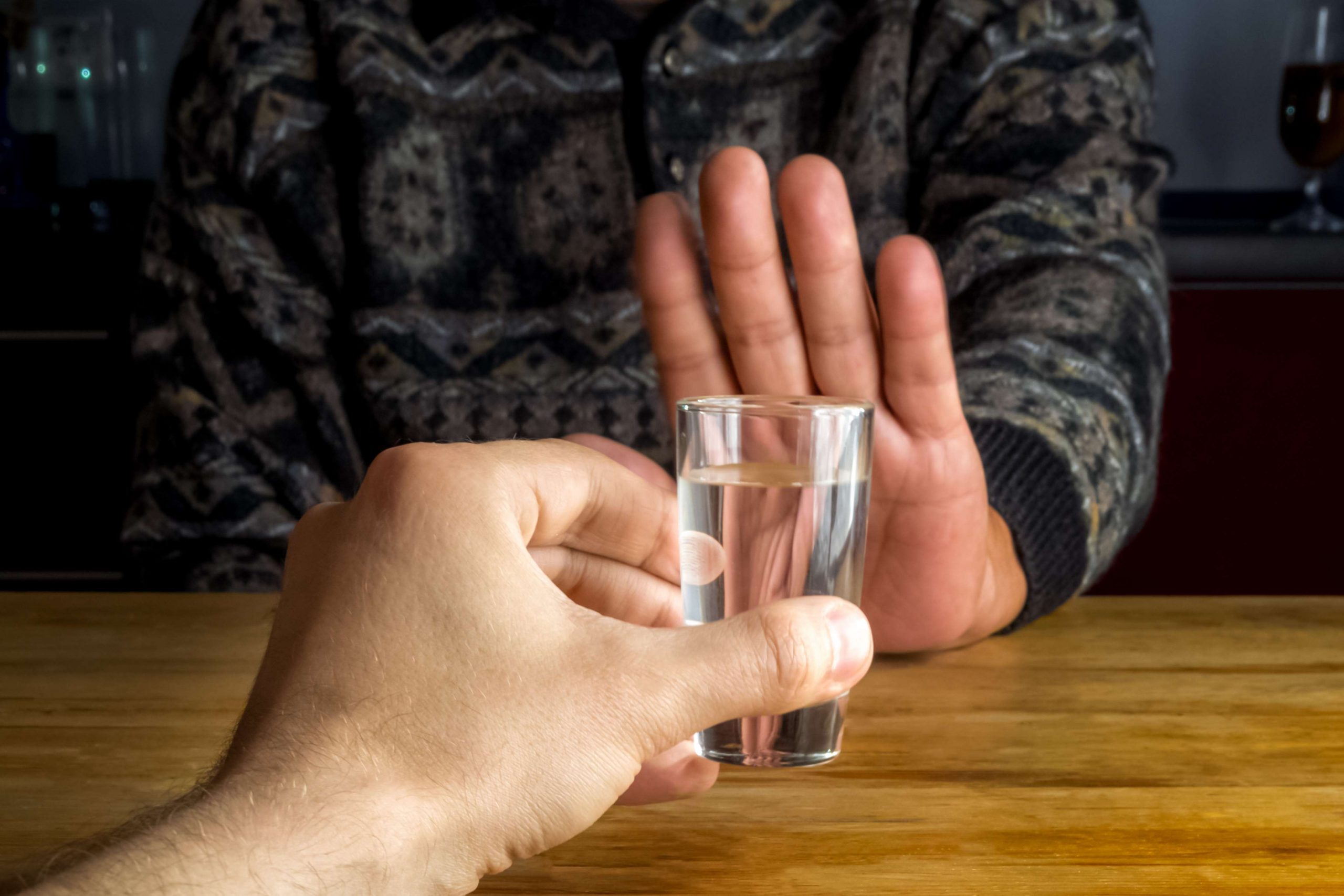
We often think of alcohol as a social lubricant or a way to unwind, but for many of us, it can have the opposite effect, leaving us feeling agitated and quick to anger. Alcohol directly alters your brain’s ability to regulate emotions. It doesn’t invent new feelings, but it acts as a powerful magnifying glass for whatever you’re already experiencing. If you’re carrying stress from your day or quiet frustration from a recent conflict, a few drinks can turn that low hum of irritation into a loud roar.